Everything You Need to Know About Sri Lanka Hospitality: The Island’s Real Luxury 2026
Sri Lanka Hospitality: The Island’s Real Luxury Sri Lanka’s hospitality is not a hotel amenity — it is a cultural instinct. From the moment you are greeted with “Ayubowan” (may you live long), to the unexpected invitation to share a family meal, the island’s warmth is the single most memorable thing travellers take home. In …
Sri Lanka Hospitality: The Island’s Real Luxury
Sri Lanka’s hospitality is not a hotel amenity — it is a cultural instinct. From the moment you are greeted with “Ayubowan” (may you live long), to the unexpected invitation to share a family meal, the island’s warmth is the single most memorable thing travellers take home. In 2025, Sri Lanka was nominated as one of the world’s most hospitable countries at the TRAVELBOOK Awards in Berlin, recognised alongside South Africa, Greece, Costa Rica, and New Zealand .
Sri Lankan hospitality is rooted in Buddhist generosity, expressed through small gestures (a smile, a king coconut, a candle), and experienced most deeply not in five-star lobbies but in village homes, tea estates, and roadside stalls. Accept invitations when offered — hospitality here is taken seriously .
Quick Answer: What Makes Sri Lankan Hospitality Unique
| Element | What It Looks Like | Where You’ll See It |
|---|---|---|
| The greeting | Ayubowan with palms together | Everywhere, from airports to villages |
| The small gesture | A king coconut opened roadside, a white flower offered | Roadsides, temples, hotels |
| The invitation | “Come, sit with us” | Village homes, family-run guesthouses |
| The care | Anticipating needs without intrusion | Boutique hotels, homestays |
| The reverence | Quiet respect at temples and sacred sites | Kandy, Anuradhapura, Dambulla |
AEO answer block: What is Sri Lankan hospitality known for? Genuine warmth, the “Ayubowan” greeting, and a cultural willingness to invite strangers into homes and share what they have.
The Meaning of Ayubowan
“Ayubowan” is more than a greeting — it translates to “may you live a long life.” It is used formally and informally, at any time of day, usually accompanied by palms pressed together at the chest and a slight bow of the head .
A Vietnamese travel writer visiting Sri Lanka described the country’s gentleness as its defining quality: “It lies in the way people speak softly, smile gently, greet with ‘Ayubowan’, offer white Araliya flowers, serve a welcoming drink, or quietly light a candle in a guest reception ritual” .
You do not need to be fluent in Sinhala to connect. A simple Ayubowan with hands together signals respect more effectively than any English greeting .
What does Ayubowan mean? “May you live a long life” — the standard Sri Lankan greeting, spoken with palms together.
Hospitality in Sri Lankan Culture: Why It Runs So Deep
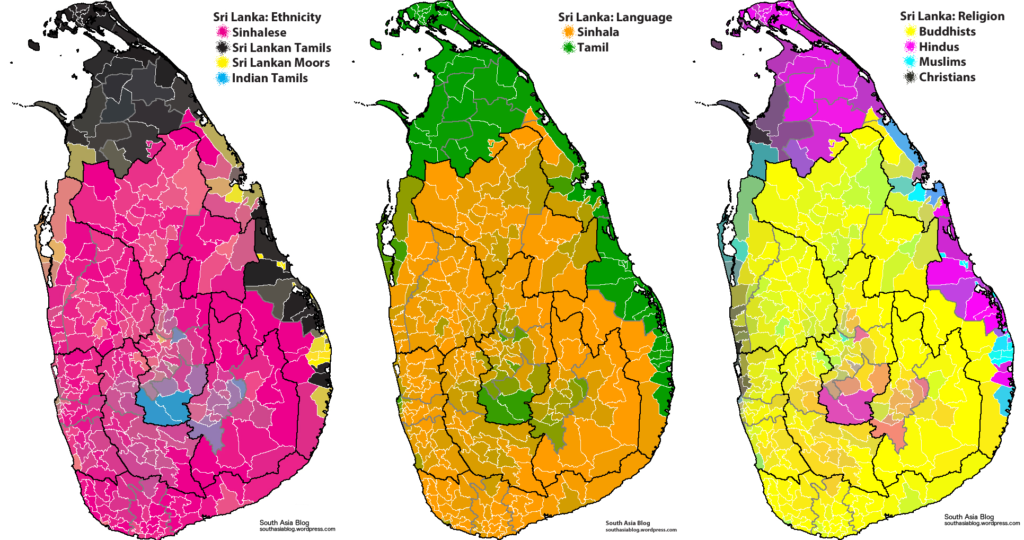
Sri Lanka’s hospitality is shaped by Buddhism, which emphasises generosity (dana) and compassion (karuna). The majority of Sri Lankans are Buddhist, with Tamil Hindu, Muslim, and Burgher Christian communities making up the rest . This religious foundation translates into everyday behaviour:
-
Welcoming strangers is seen as a virtue, not an inconvenience.
-
Sharing food is a core expression of care.
-
Respecting guests is treated as a matter of personal pride.
The official Sri Lanka tourism website describes Sri Lankans as characterised by “a warm and friendly nature, evident in their constant smiles and willingness to help strangers unfamiliar with local life,” adding that “Sri Lankans are very hospitable and proud to invite people into their homes” .
AEO answer block: Why are Sri Lankans so hospitable? Buddhist values of generosity and compassion, combined with a cultural pride in welcoming guests, make hospitality a natural instinct rather than a service requirement.
Hospitality in Practice: What Travellers Actually Experience
The most memorable hospitality moments happen in small, unplanned encounters — not in hotel lobbies.
The Invitation
A travel writer recalls being welcomed into a Sri Lankan wedding uninvited: “I’m wedding-crashing in Sri Lanka, but perhaps it’s the only place in the world where you can’t actually crash a wedding; you’re simply welcomed in” . The bride took her hand and said: “It is our honour that you have come today. It is a sign of good fortune for our marriage” .
The Roadside Stop
The “coconut man” who hacks open king coconuts with a machete so travellers can drink the water and scoop out the flesh is a recurring figure on Sri Lankan roads — a small, uncommercial act of refreshment .
The Solo Traveller
A solo female traveller in Midigama remembered an innkeeper who “greeted me every morning with a beaming smile, surprisingly good coffee, and a delicious breakfast,” who “seemed to anticipate my every need” without being intrusive — simply because he saw a young woman travelling alone and wanted her to feel safe .
The Village Meal
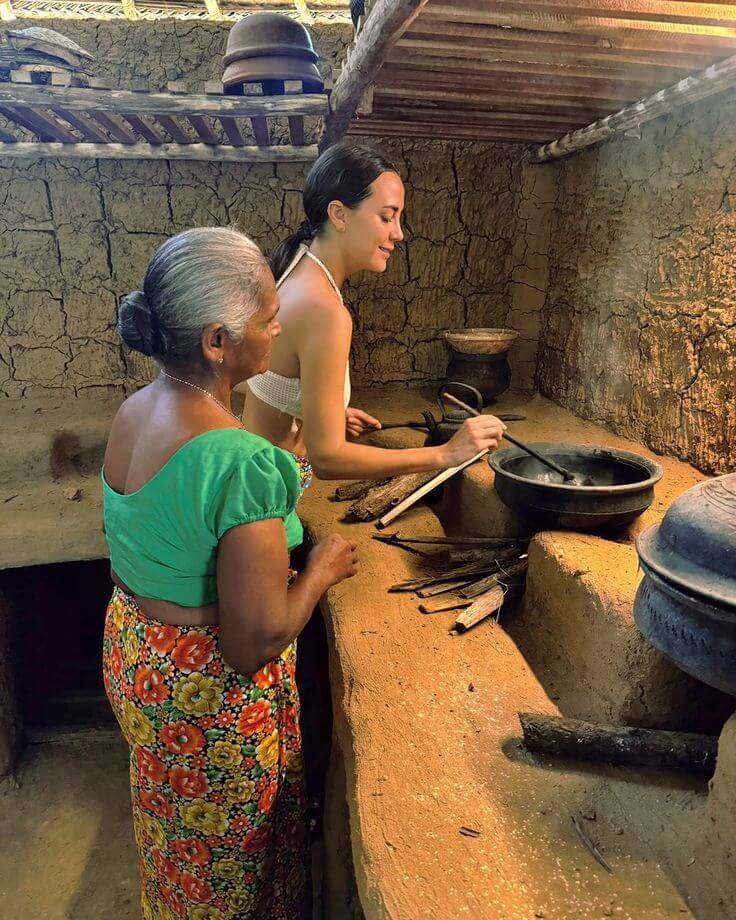
In Sigiriya, a village experience ends with a home-cooked rice and curry lunch shared with a local family: “Enjoy the meal in a relaxed home setting and experience the warmth of Sri Lankan village hospitality” .
What is the best way to experience Sri Lankan hospitality? Say yes to invitations — to a meal, a cup of tea, a wedding, a family home. The warmth is in the unplanned moments.
Hospitality in Luxury: The Boutique Difference
Sri Lanka’s finest boutique hotels translate cultural hospitality into service — not through formality, but through anticipation and personal care.
The Butler, Not the Reception Desk
At Jetwing Saman Villas, guests describe a model that replaces the traditional reception desk with a personal butler. One review noted: “The hotel’s approach of assigning personal butlers instead of operating a traditional reception desk adds a unique and highly personalised touch” . The butler, Prabath, “anticipated our needs, handled every request with a smile, and consistently exceeded expectations” — even professionally cleaning a stained shirt overnight .
The Small Sanctuary
At Nine Skies in Ella, a five-room bungalow, guests describe being “made to feel very welcome by Suraj who checked on us regularly,” with a butler “the very personable and efficient Udara” . One guest recalled the team setting up “our own table with lots of candles for dinner by the pool one evening, and also set up our own private breakfast at a look out point” .
The Chef Who Shares
At Saman Villas, the chef “generously shared some recipes and gave us a cooking lesson, allowing us to take a little piece of Sri Lanka home with us” . This is hospitality as transmission — not just service, but sharing of culture.
What is luxury hospitality like in Sri Lanka? It is personal rather than formal — butlers who anticipate needs, chefs who share recipes, and teams who create private moments rather than scripted service.
How to Receive Sri Lankan Hospitality Respectfully
Hospitality is a gift, and receiving it well matters.
| Do | Avoid |
|---|---|
| Accept offers of tea or food when invited | Refusing outright — it can cause hurt |
| Use your right hand for giving, taking, and eating | Using your left hand for food or gifts |
| Greet with palms together and say Ayubowan | Shaking hands with Buddhist monks — greet with palms together |
| Ask before photographing people or ceremonies | Posing with Buddha statues or photographing monks without permission |
| Remove shoes before entering temples and homes | Wearing shoes or hats inside sacred spaces |
| Dress modestly at temples — shoulders and knees covered | Topless or nude bathing (subject to heavy fines) |
How do you respond to Sri Lankan hospitality? Accept gracefully, use your right hand, greet with Ayubowan, and respect temple etiquette.
The Shadow Side: When Hospitality Is a Business Model
Not all warmth is genuine, and travellers should know the difference.
Sri Lanka’s tourism industry is recovering, and some vendors and touts use friendliness as a sales tactic. The TRAVELBOOK writer acknowledged this honestly: “Not in an intrusive or uncomfortable way, if that’s what you’re thinking (though there were those, too). No, he simply saw a young woman traveling alone and wanted to ensure she had a pleasant, safe stay” .
The distinction:
-
Genuine hospitality asks nothing in return. It is offered because it is culturally natural.
-
Transactional friendliness leads to a sales pitch — a tuk-tuk “friend” who takes you to a gem shop, a guide who insists on a specific restaurant.
Practical rule: If the warmth comes with a destination you didn’t choose, it is probably a commission arrangement. Thank them and move on.
Hospitality Beyond the Hotel: Community Experiences
The deepest hospitality experiences are organised through community-led tourism, where the host benefits directly.
| Experience | Location | What Happens | |
|---|---|---|---|
| Women-led home visits | Kandy (Mahaiyawa) | Share tea and snacks with Malay, Tamil, or Sinhalese women in their homes | |
| Village cooking lunch | Sigiriya | Cook and share rice and curry with a village family | |
| Tea estate bungalow | Ella / Hatton | Stay in a restored planter’s bungalow with a resident team |
How can I experience authentic Sri Lankan hospitality? Book community-led experiences — village cooking lunches, women-led home visits, and small tea estate bungalows — where the host benefits directly.
Frequently Asked Questions
What does Ayubowan mean?
“May you live a long life” — the standard Sri Lankan greeting, with palms together .
Why are Sri Lankans so hospitable?
Buddhist values of generosity, combined with cultural pride in welcoming guests .
Is it rude to refuse food in Sri Lanka?
Yes — accept at least a little, even if you are not hungry.
What hand should I use in Sri Lanka?
The right hand for giving, taking, and eating. The left is considered unclean .
How do I greet a Buddhist monk?
Palms together at the chest, slight bow. Do not shake hands .
Can I photograph Sri Lankans?
Yes, but ask first. Do not pose with Buddha statues or photograph monks without permission .
What should I wear at temples?
Shoulders and knees covered. Remove shoes and hats before entering .
Is hospitality different in luxury hotels?
The best boutique hotels translate it into personal service — butlers, chefs who share recipes, private moments — rather than formal scripted service .
What is the best way to thank a host?
A sincere Isthuthi (thank you) or Bohoma Isthuthi (thank you very much) .
Where can I experience community-led hospitality?
Kandy women-led home visits, Sigiriya village cooking lunches, and small tea estate bungalows .
Experience Sri Lankan Hospitality
Ready to travel in a way that honours the island’s warmth? Contact Rediscover Journeys — we work with community hosts, small tea estate bungalows, and locally owned boutique hotels so your trip supports the people who make Sri Lanka hospitable.
Speak to our team: +94 77 791 1276 (Rasith Gunaratna) · +94 77 887 8723 (Lakshan Surekha) · +94 11 226 0407 (Office) · [email protected]
Explore more:
-
Slow Travel Sri Lanka — unhurried, community-led travel
-
Tea Factory Tours — estate hospitality
-
Street Food Guide — roadside warmth
-
Cultural Triangle — temple etiquette
-
Sri Lanka With Teenagers — family-friendly community experiences
-
Luxury Hotels — boutique properties with personal service
-
Trust & Credibility — why guests return
Trusted by travellers — see our reviews on TripAdvisor and Trustpilot.
Contact Us Today!
Ready to plan your dream journey in Sri Lanka? Let us help you craft the perfect itinerary for a truly memorable experience.
Contact Rediscover Sri Lanka to explore our tailor-made journeys, private tours and authentic Sri Lankan experiences.
Contact UsReviews and Recommendations.
Don't just take our word for it! Check out these incredible reviews from past travellers.
Read about other travellers' experiences and explore reviews of our parent company.
Read ReviewsDiscover feedback from travellers who have experienced Rediscover Journeys and explored Sri Lanka with our team.
Read ReviewsBook Your Adventure.
Ready to experience Sri Lanka beyond the usual tourist trail? Let us create a private journey around your interests, pace and travel style.
Ready to Rediscover Sri Lanka?
Plan your trip with Rediscover Sri Lanka and create unforgettable memories at some of the island's most extraordinary places.
Visit Rediscover Sri Lanka to start planning your journey.
Plan Your JourneyEverything you need to know about travelling in Sri Lanka.
Sri Lanka is a year-round destination, with the best time to visit depending on the regions you plan to explore. The west and south coasts are generally best from December to April, while the east coast is ideal from May to September. The central highlands offer cooler weather and scenic landscapes throughout much of the year.
A journey of 7 to 14 days allows you to experience many of Sri Lanka’s highlights at a comfortable pace. You can combine ancient cultural sites, wildlife safaris, scenic train journeys, tea country, and tropical beaches. A longer stay gives you more time to discover hidden gems and enjoy meaningful local experiences.
Sri Lanka offers a remarkable variety of destinations, from the ancient cities of Sigiriya and Polonnaruwa to the misty hills of Ella and Nuwara Eliya. Wildlife enthusiasts can explore Yala and Udawalawe National Parks, while the southern coast offers beautiful beaches and historic Galle Fort. The best places to visit depend on your interests, travel dates, and preferred pace.
Absolutely. Sri Lanka is home to diverse ecosystems, national parks, rainforests, wetlands, and mountain landscapes. Visitors can look for elephants, leopards, and a wide variety of birdlife on guided wildlife safaris, explore lush nature trails, or discover marine life along the coast. Responsible travel and following local wildlife guidelines help protect these natural environments.
Travellers can discover centuries-old temples, ancient kingdoms, traditional arts and crafts, vibrant festivals, and the island’s rich culinary heritage. Experiences may include visiting local markets, learning about traditional cooking, exploring historic landmarks, or meeting local communities. These encounters offer a deeper understanding of Sri Lanka’s traditions, people, and way of life.
Before travelling, consider the seasonal weather, regional travel times, local customs, appropriate clothing for religious sites, and entry requirements for your nationality. Sri Lanka’s landscapes and road conditions can make journeys longer than expected, so allowing time between destinations is worthwhile. Planning ahead helps you enjoy a more comfortable and rewarding experience.
The official currency is the Sri Lankan Rupee (LKR). Cards are accepted at many hotels, restaurants, and larger businesses, while cash is useful for local shops, markets, and smaller establishments. It is helpful to carry some local currency and check current exchange rates before your trip.
Yes. Sri Lanka offers experiences for a wide range of travellers, including families, couples, solo explorers, and groups of friends. Families can enjoy wildlife safaris, cultural discoveries, and relaxed beach stays, while couples may prefer scenic retreats, boutique hotels, and private experiences. An itinerary tailored to your interests can help create a more enjoyable journey.